


The Rich Cultural Heritage of Handloom Sarees
Centuries-Old Tradition: The Historical Significance
Handloom sarees aren’t just garments—they’re living artifacts of India’s rich history. Dating back to the Indus Valley Civilization (2500-1500 BCE), these textiles represent one of humanity’s oldest continuous craft traditions. Archaeological excavations have uncovered spindles and woven cotton fragments that confirm the ancient origins of handloom weaving, establishing these sarees as cultural treasures that have stood the test of time.
What makes handloom sarees truly special is how each region of India developed its own distinctive weaving techniques. From the intricate zari work of north India to the bold contrasting borders of the south, these regional variations aren’t random—they tell the story of local cultures, available materials, and artistic sensibilities that evolved over centuries.
Ancient Sanskrit texts like the Vedas and epics such as the Ramayana and Mahabharata frequently mention handwoven textiles as symbols of status and refinement. Temple carvings across India depict women draped in elaborate sarees, showing how central these garments were to Indian identity long before modern fashion emerged.

Storytelling Through Threads: Motifs and Their Meanings
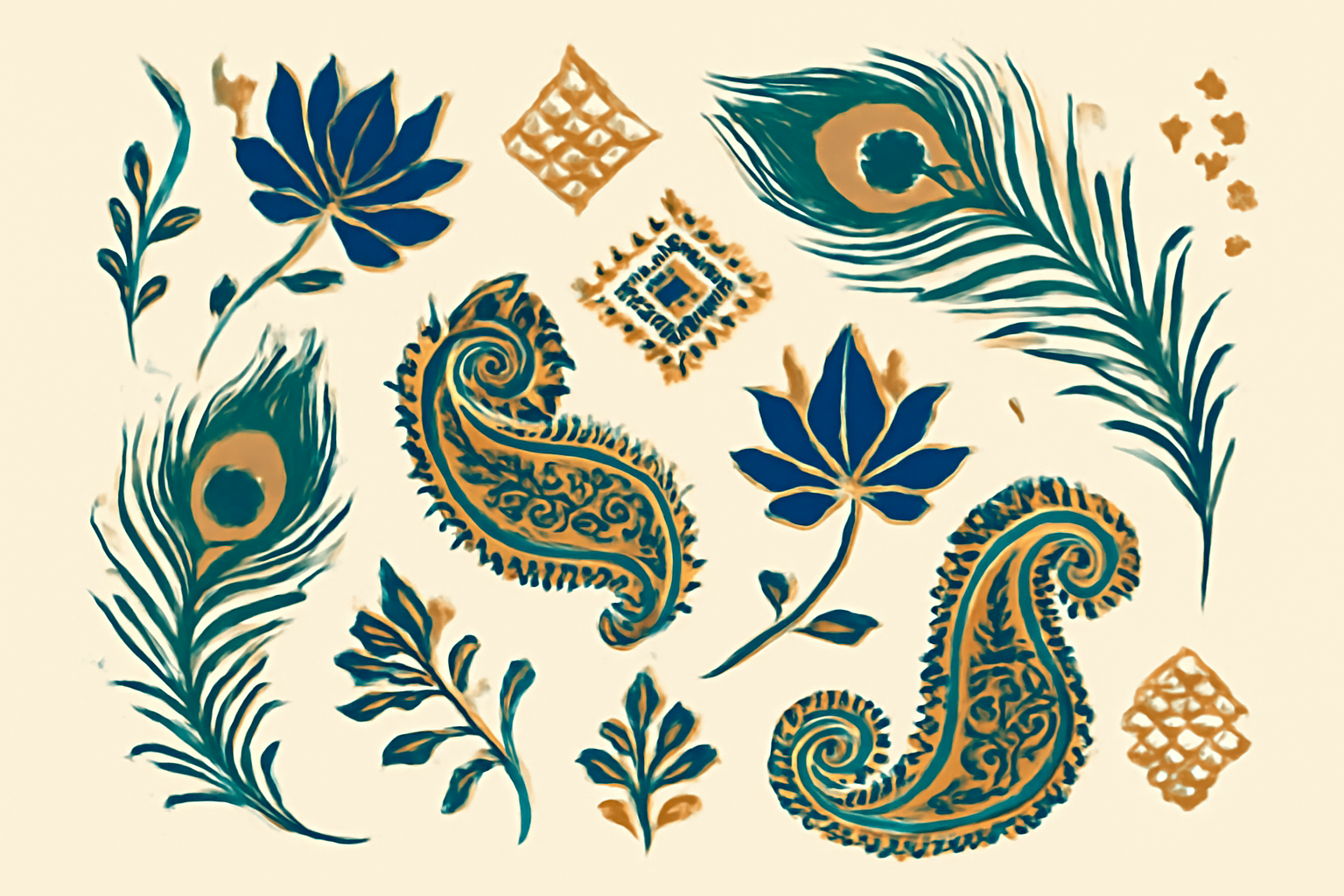
Every authentic handloom saree tells a story through its patterns and motifs. The peacock feathers woven into many designs aren’t merely decorative—they symbolize beauty and immortality in Indian culture. Similarly, lotus flowers represent purity, while geometric patterns often connect to cosmic harmony and mathematical precision.
These symbols serve as a visual language, instantly communicating the wearer’s region, social status, and even the occasion for which the saree is worn. A bride’s saree in Karnataka, for instance, features different motifs than one from Bengal, each carrying deep cultural significance that reflects local traditions and beliefs.
Many enthusiasts document how these traditional motifs showcase India’s diverse storytelling traditions—from mythological scenes in Banarasi sarees to the tribal patterns of Dongria sarees that represent their community’s relationship with nature.
Regional Diversity: The Geographic Tapestry of Handloom Sarees
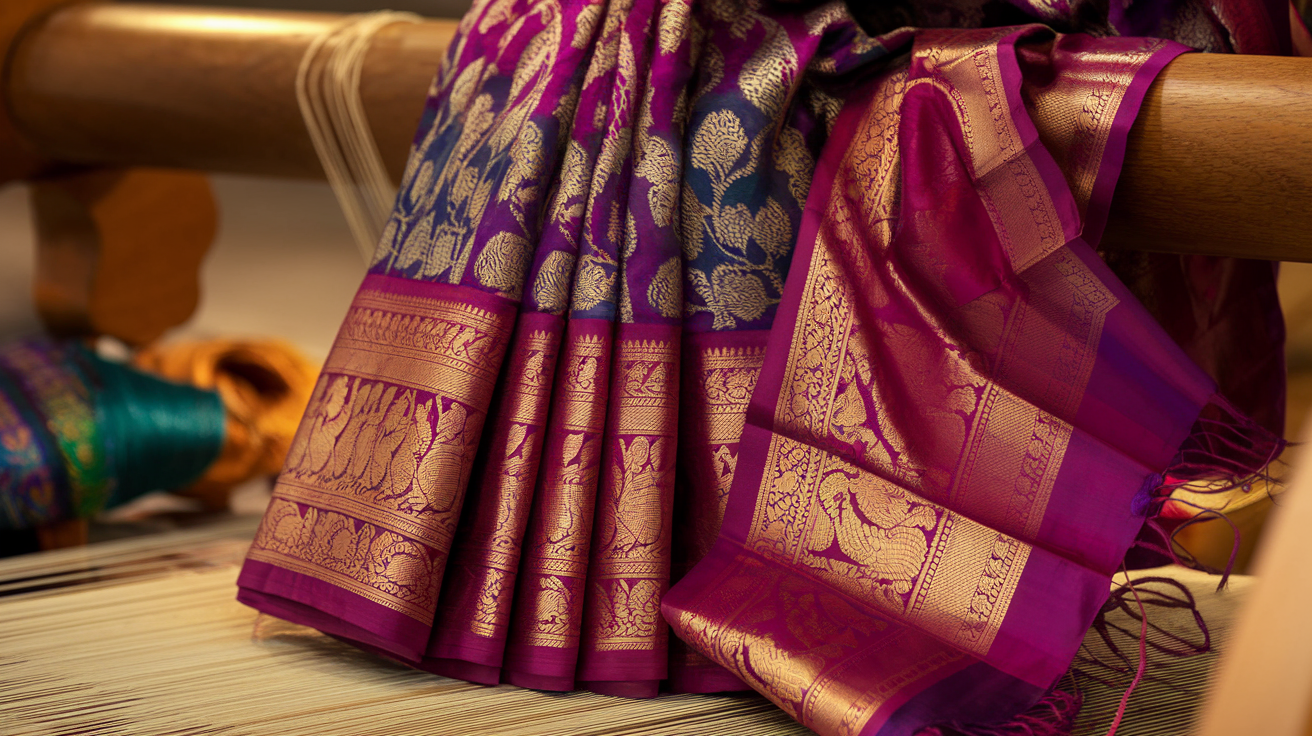
India’s handloom landscape is incredibly diverse, with each state boasting signature varieties that have become world-renowned. The opulent silk Banarasi sarees from Uttar Pradesh contrast with the temple-border Kanjeevaram sarees of Tamil Nadu, while the ikat-patterned Sambalpuri sarees from Odisha differ dramatically from Maharashtra’s Paithani with their distinctive pallus.
This diversity isn’t accidental—it developed over centuries as weavers responded to local conditions.
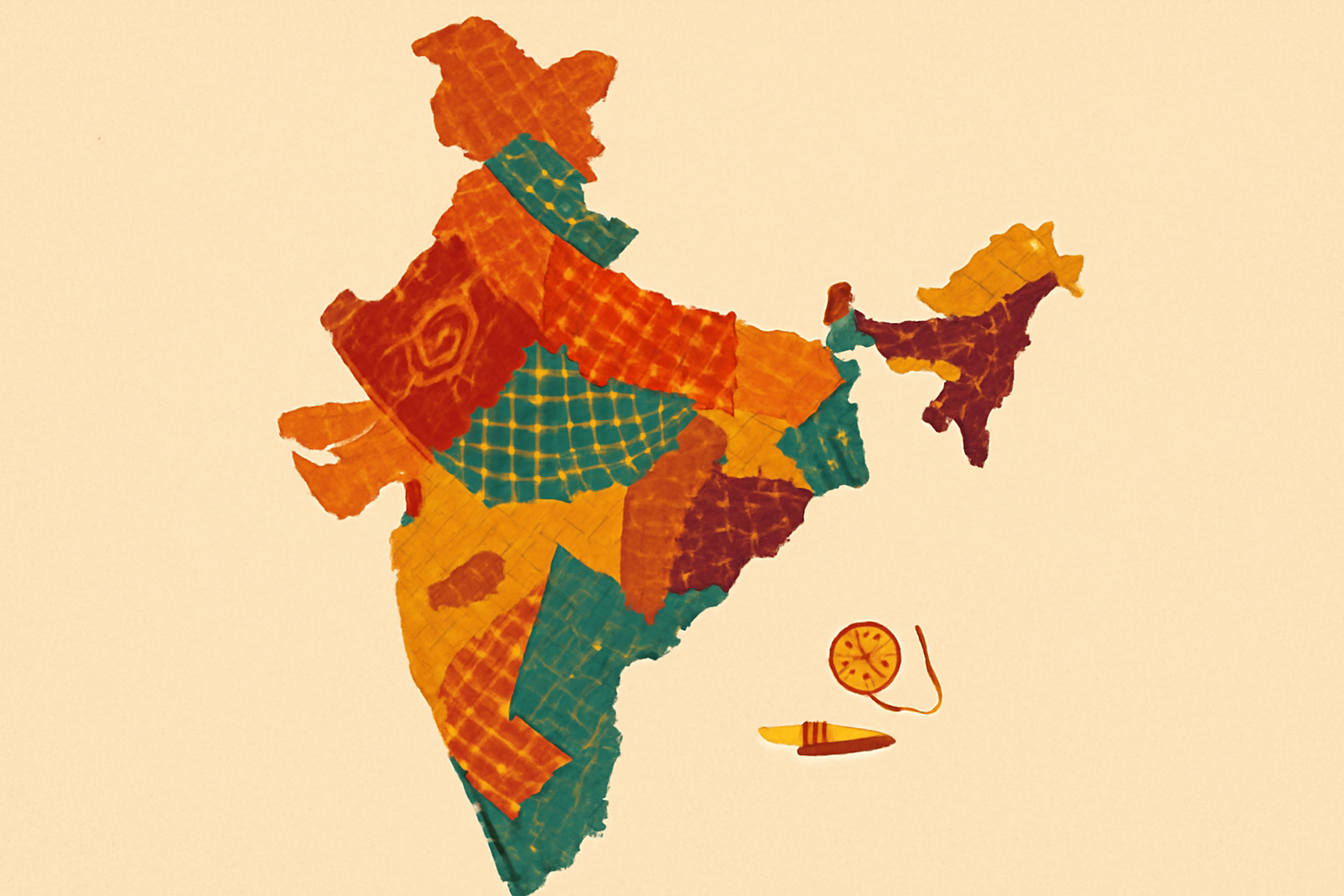
While designer brands like Somila sarees draw inspiration from these traditions, the true essence of handloom saree vibes comes from their connection to specific geographic regions and the cultural knowledge embedded within their threads.
Handloom vs. Powerloom: Understanding the Critical Differences
Craftsmanship: Human Touch vs. Mechanical Precision
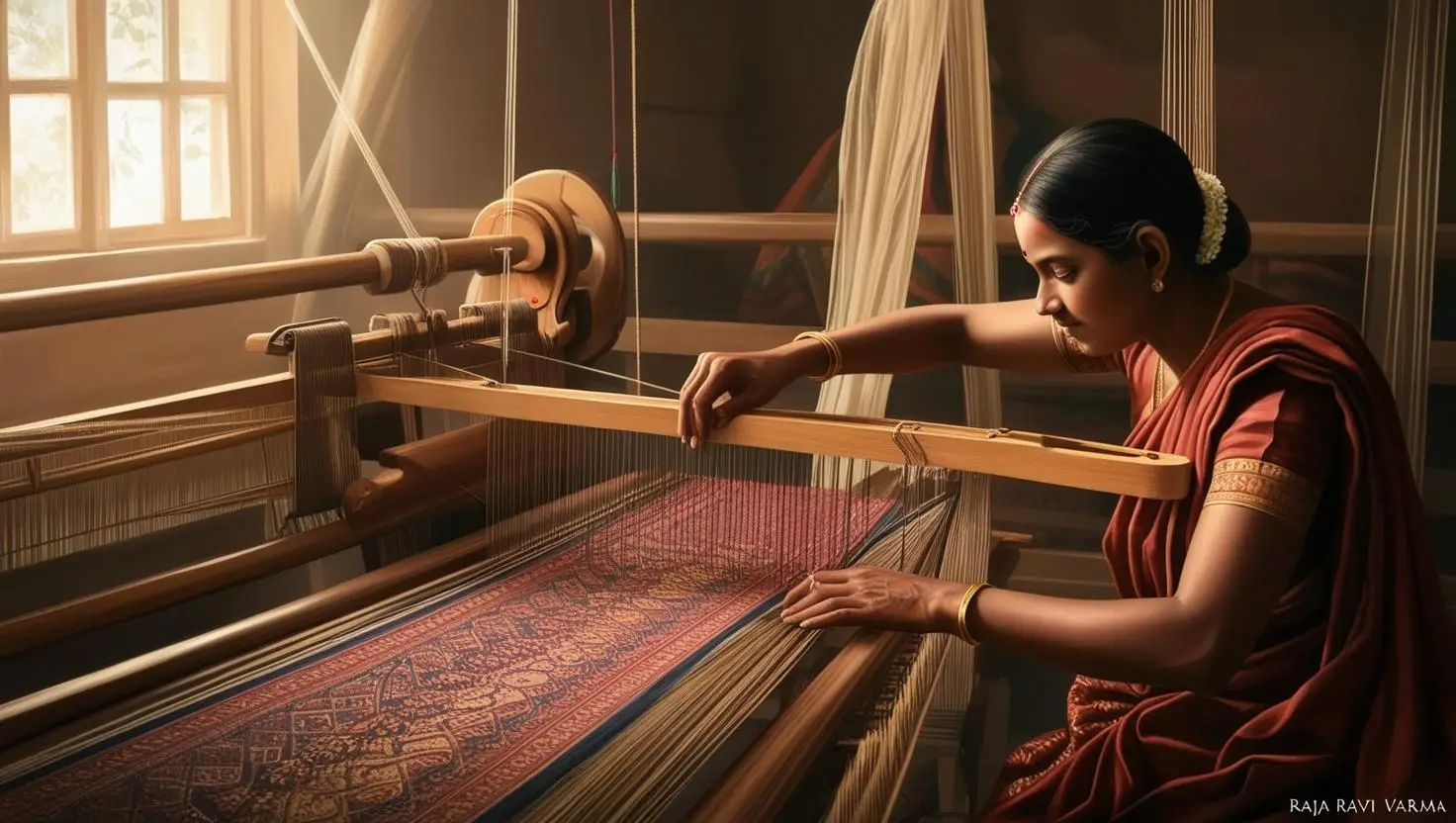
The fundamental difference between handloom and powerloom sarees lies in their creation process. Handloom sarees are woven on traditional manual looms where artisans control each thread with practiced precision. The weaver’s hands dance across the loom, adjusting tension and patterns with movements refined over decades of experience. Every pick of the shuttle represents a conscious decision by the craftsperson.
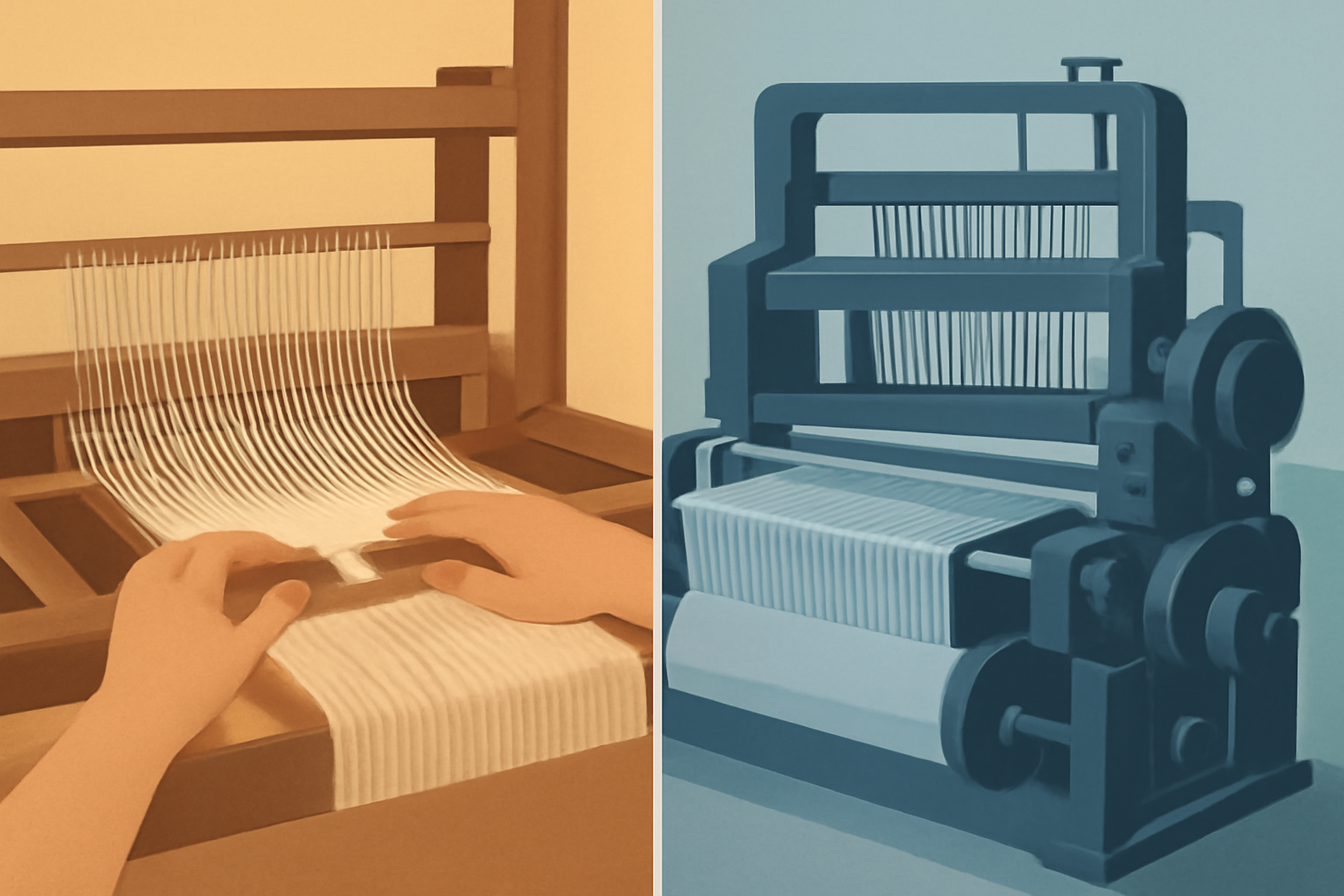
In contrast, powerloom sarees emerge from electrically-powered machines that automate the weaving process. These machines replicate patterns with mechanical consistency, requiring minimal human supervision beyond initial setup and occasional monitoring. While efficient, they lack the subtle variations that make each handloom piece unique.
What many consider “imperfections” in handloom sarees – slight variations in weave tension or tiny inconsistencies in pattern placement – actually authenticate their handcrafted nature. According to handloom experts at The Weavers Society, these natural variations create character and signify human involvement in creation – something no machine can truly replicate.
Quality Comparison: Texture, Durability, and Comfort
The superior quality of handloom sarees becomes evident in their texture and feel. Traditional weavers select premium yarns and often use natural dyes derived from plants, minerals, and other organic sources. This commitment to material quality results in fabrics with exceptional drape and character.
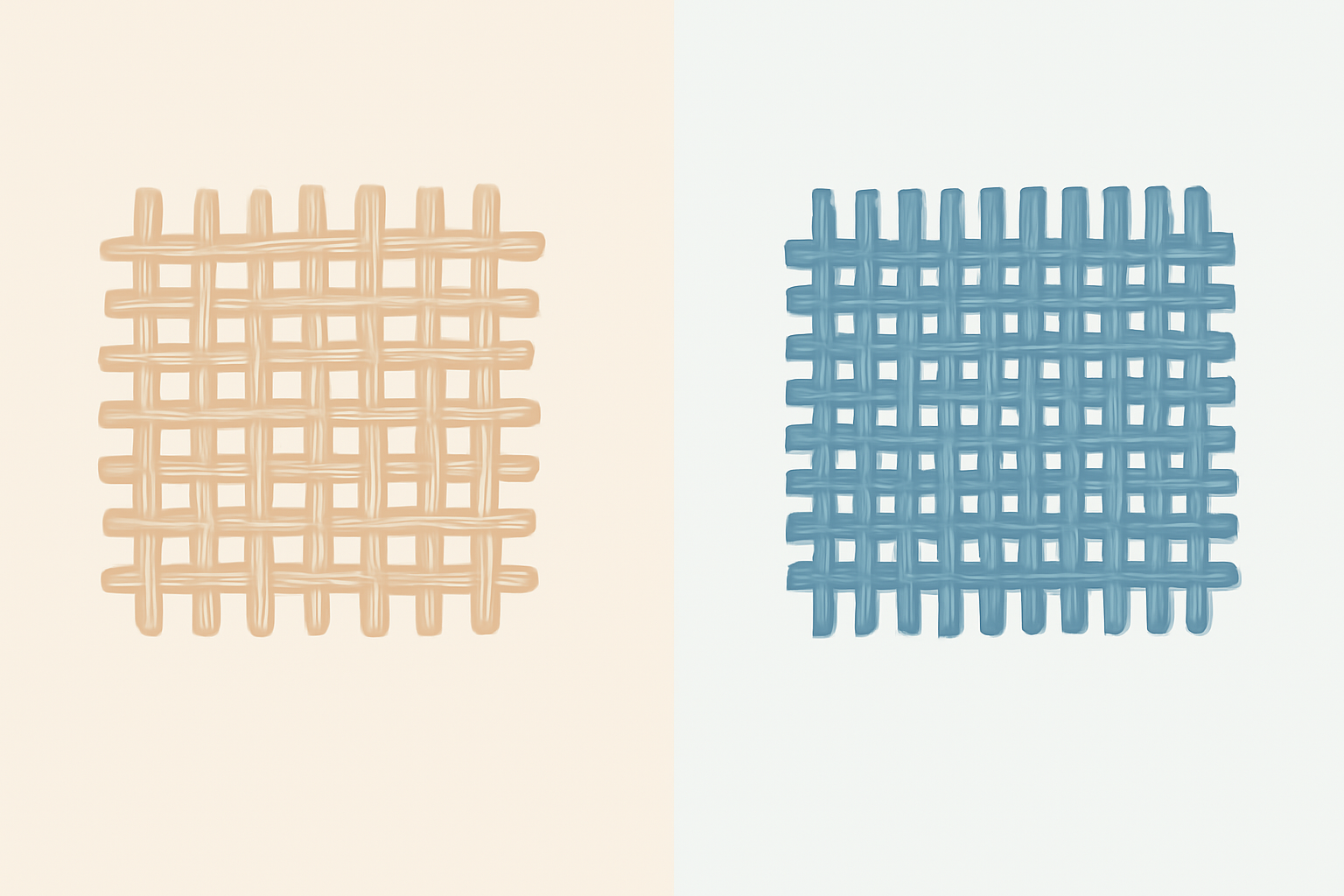
Handwoven fabrics generally offer better breathability thanks to their less compact construction. The natural spacing between threads allows air circulation, making handloom sarees more comfortable in hot climates. The distinctive saree vibes created by handlooms feature a supple texture that gracefully follows body contours.
Multi-generational weavers who create specialty pieces like Somila sarees consistently report that their handcrafted products outlast powerloom versions by decades. According to textile quality assessment studies, the looser tension in handwoven fabrics allows them to absorb stress without breaking, contributing to their remarkable longevity.
Pricing Factors: Why Authentic Handloom Sarees Command Premium Prices
The significant price difference between handloom and powerloom sarees reflects their drastically different production processes. A single handloom saree typically requires 3-7 days of intensive labor, with some complex designs taking up to a month to complete. Powerloom manufacturing, conversely, produces dozens of sarees daily.
Authentic handloom pieces typically use pure fibers – silk, cotton, linen, or wool – rather than the synthetic blends common in mass production. These natural materials cost substantially more but provide the superior feel and durability consumers expect from quality handwoven textiles.
Perhaps most importantly, each handloom saree represents an investment in artistic expertise developed over generations. As documented by artisan advocacy organizations, purchasing a handwoven saree means acquiring not just fabric, but a tangible piece of cultural heritage crafted by skilled hands preserving traditions that span centuries.
The Social and Economic Impact of Supporting Handloom Sarees
Livelihood Support for Millions of Artisan Families
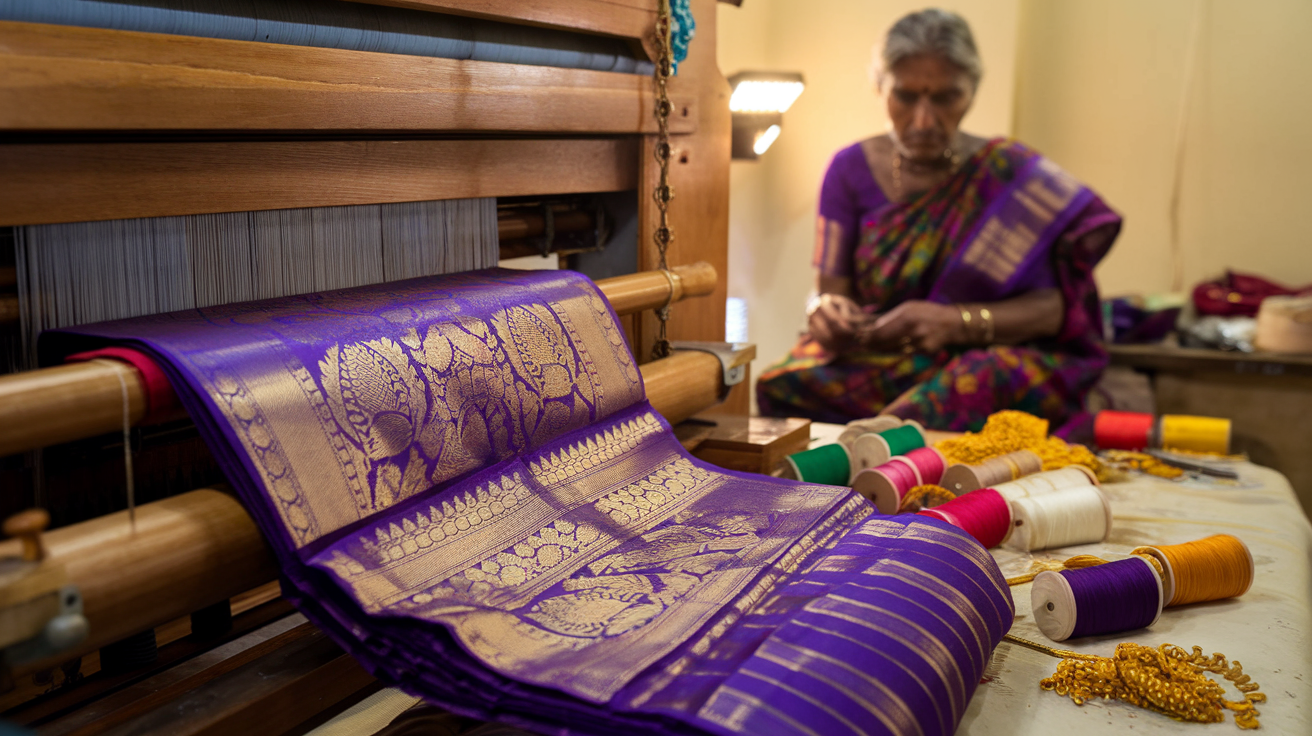
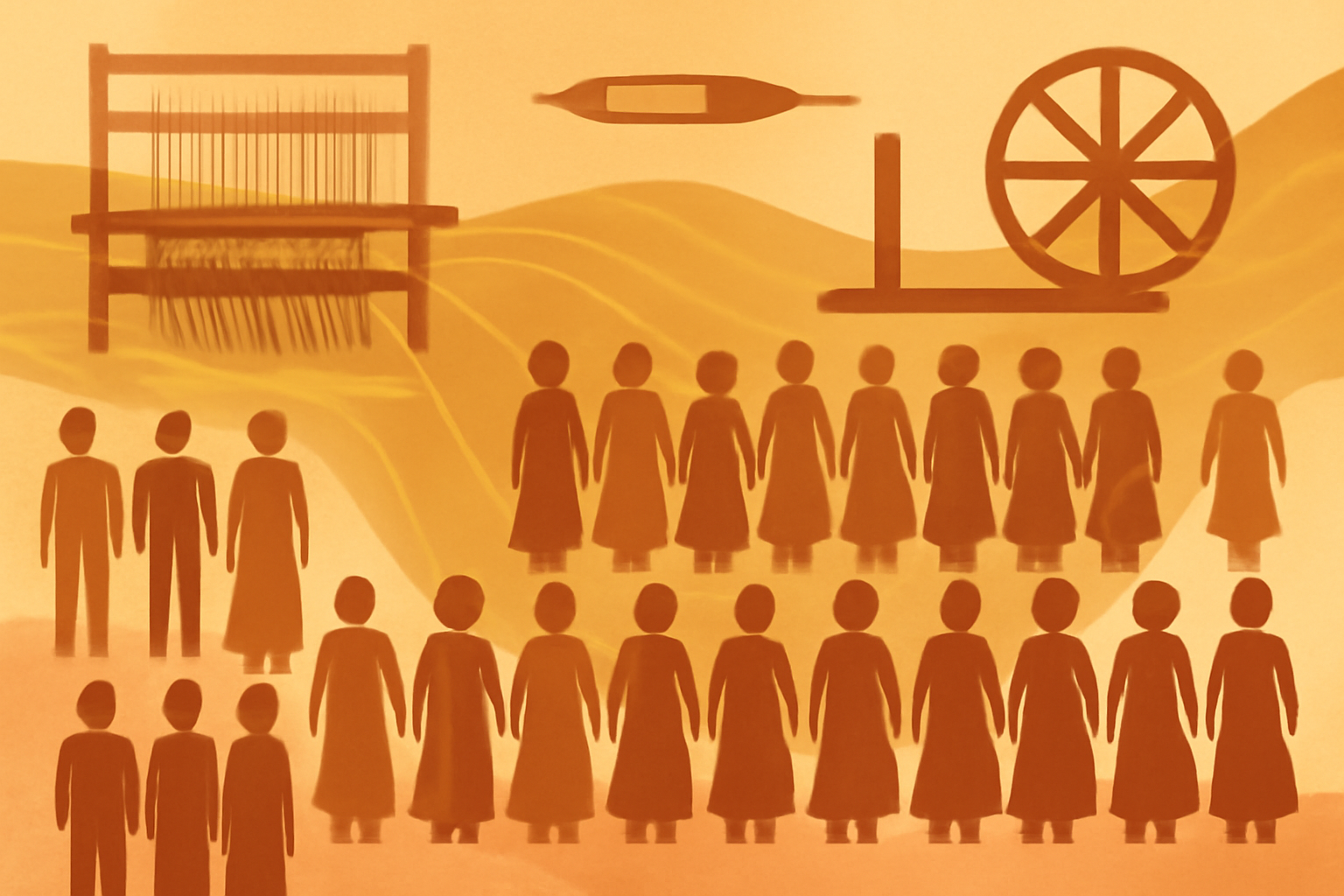
Behind every handloom saree lies a story of human dedication and craftsmanship. India’s vibrant handloom sector currently employs over 4.3 million weavers and allied workers, making it the second-largest employment sector in rural India after agriculture.
When you purchase a handloom saree, you’re directly contributing to rural economies across India. Villages known for specific weaving traditions often rely almost entirely on handloom production for their economic survival. This local income generation helps prevent mass migration to already overcrowded urban centers, preserving community structures that have existed for centuries.
Perhaps most significantly, women constitute approximately 70% of the handloom workforce. In many rural communities, handloom weaving provides women with rare opportunities for financial independence while allowing them to work from home. This income often translates directly into children’s education, better nutrition, and improved family welfare.
Preserving Traditional Skills and Knowledge Systems
Each authentic handloom saree represents more than fabric – it embodies generations of knowledge. Many weaving techniques require years of apprenticeship to master, with subtle skills that can’t be programmed into machines. When you choose handloom over powerloom sarees, you help ensure these irreplaceable skills aren’t lost forever.
The knowledge transmission between master weavers and apprentices represents one of humanity’s oldest educational systems.
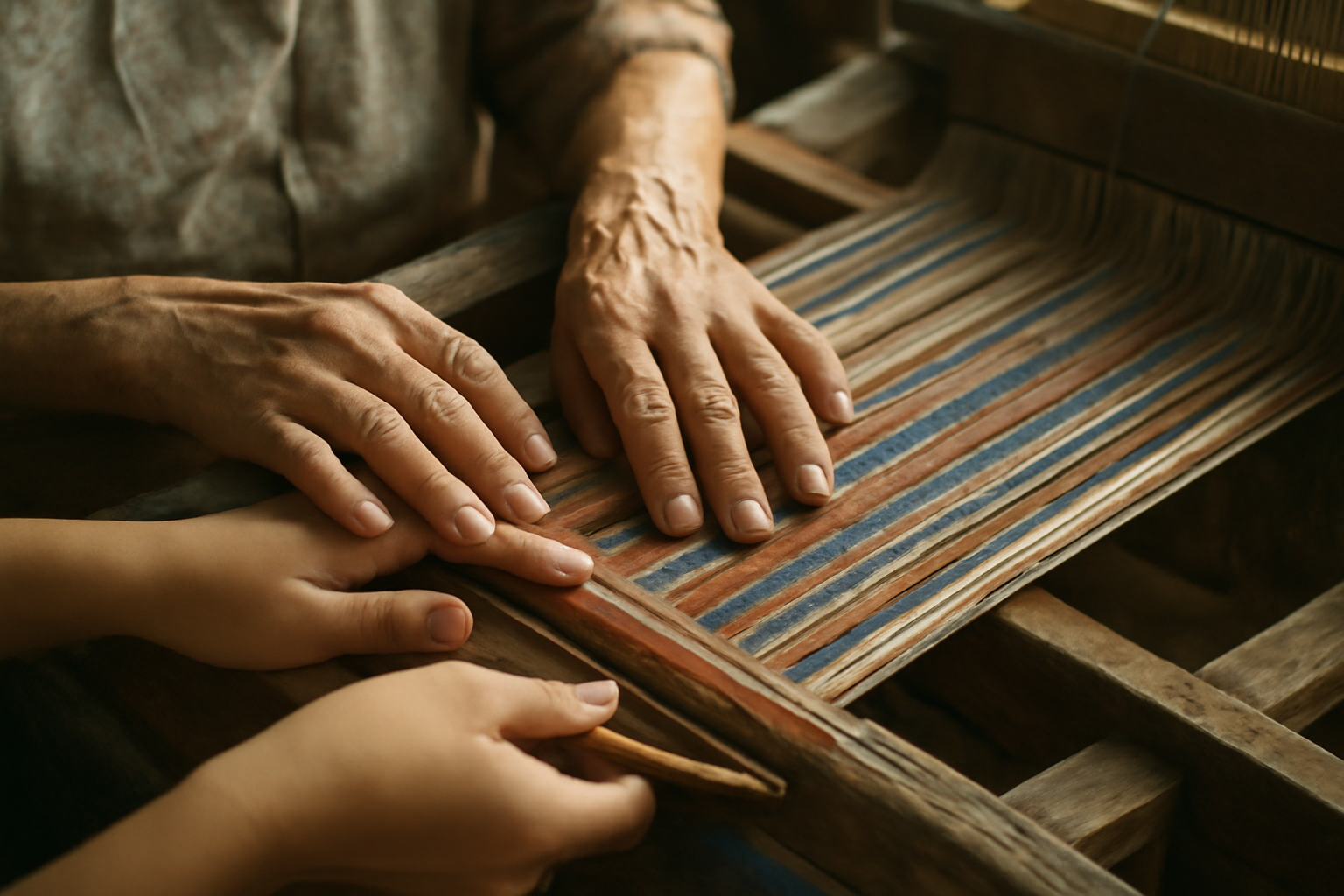
Innovative collectives are now working to document and revive endangered weaving traditions. They’re creating contemporary designs while honoring traditional techniques, bringing new life to classic styles like Somila sarees and other regional varieties.
The Challenges Facing Today’s Handloom Weavers
Despite their cultural importance, handloom weavers face serious threats to their livelihood. The market is flooded with cheaper powerloom imitations falsely marketed as “handloom,” undercutting authentic artisans. Without proper labeling laws and consumer awareness, many buyers unknowingly purchase machine-made alternatives.
Weavers also struggle with limited access to quality raw materials and fair financing. Middlemen often control both supply chains and market access, leaving artisans with minimal profit margins despite the high retail prices their sarees command. According to Oxfam India’s research, many weavers earn less than minimum wage despite creating luxury products.
These economic realities have driven younger generations away from traditional weaving. Why spend years mastering a craft with uncertain financial returns? Without new blood entering the profession, certain regional saree vibes and techniques face extinction within a single generation.